
-

Survey No. 270A & Plot No. 1 of Survey No. 267, Chhatha Mile, Vill: Dantali – 387350 Ta: Vaso, Dist: Kheda, Gujarat (India)
-

Survey No. 270A & Plot No. 1 of Survey No. 267, Chhatha Mile, Vill: Dantali – 387350 Ta: Vaso, Dist: Kheda, Gujarat (India)
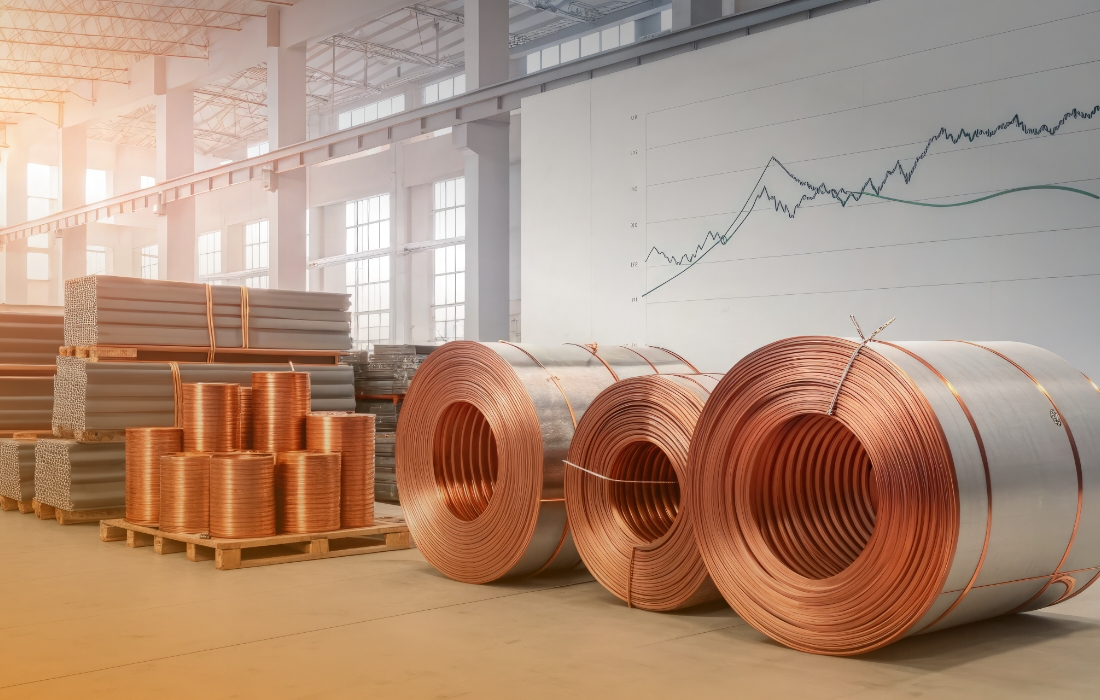
Electrification of the world is happening at an unprecedented pace. Electric cars are taking over from traditional gasoline engines, AI data centres are consuming massive amounts of electricity, and more renewable energy grids are popping up throughout the world. We see smart cities transitioning into a concrete reality. And at the core of all these revolutions lies one unheralded metal that is responsible for powering the future: copper.
Copper has long been considered the backbone of modern industrial society, but global analysts, investors, and manufacturers alike believe that we are now at the point of transitioning to something much larger: a copper supercycle.
This widely circulated publication explores the possibility that the next boom in the global industrial economy will not only come from technology companies (i.e., software or artificial intelligence), but also from the physical industries that support our modern economies, particularly copper. And India is positioned directly in the middle of this transformation.
The level of infrastructure development, electric vehicle adoption, renewable energy generation and electronics manufacturing all demonstrate an increasing consumption of copper in India. The resulting increase in copper demand represents a once-in-a-lifetime opportunity for copper manufacturing company in India, particularly those engaged in the areas of innovation, sustainability, and high-quality production.
An extended time period characterised by a continual imbalance between supply and demand for the commodity, so-called “supercycles”, typically results from significant structural economic developments that have caused continued increases in demand for commodities. The previous cycles for copper have occurred at the peak of three key industrial revolutions, which have been driven by the following factors, respectively:
As we enter this next phase, which will again be driven by three different mega trends:
Copper is an essential commodity as it is one of the best conductors of heat/electricity. It is impossible, or extremely difficult, to find suitable substitutes for copper in most instances, especially within critical electrical applications.
According to reports published by various industry market experts, the global copper marketplace currently presents a real and continuous imbalance, specifically relating to the following factors:
This continuing imbalance is expected to materially impact the future global copper economy over the coming 10 years.
A typical gas-powered vehicle contains approximately 20-25 kilograms of copper, compared to the 80+ kilograms that go into each electric vehicle. With almost every automobile manufacturing company ramping up production of new electric vehicles, this demand for copper will be an ongoing trend for many years.
Some of the uses for copper in electric vehicles include:
With more and more countries introducing green transportation policies, the demand for copper continues to rise substantially.
Many renewable energy systems are built using large amounts of copper.
Some examples:
This increased demand for copper earthing wires has stimulated the growth of many copper earthing wire manufacturers in today’s electrical industry by providing grounding and safety solutions needed for today’s electrical systems.
Partner with experienced copper specialists delivering performance, durability, and precision manufacturing for tomorrow’s energy ecosystem.
India is in an outstanding place to take advantage of the copper super cycle. Why?
Because India is working on multiple projects that are being completed at the same time:
The government’s “Make in India” programme and infrastructure-driven growth are driving demand for copper from a variety of different sectors.
This creates big opportunities for each of the copper manufacturing companies in India that are producing:
All these sectors will continue to grow over the coming years, meaning that as more and more companies grow, there will continue to be a huge demand for copper and specifically high-quality products made from copper.
As an industrially advanced state in India, Gujarat has quickly become an important centre of copper manufacturing and processing.
Gujarat has many advantages as a location for copper wire manufacturers, including:
As a result of these elements, businesses are actively seeking out top copper wire manufacturers in Gujarat to assist with their industrial, infrastructure, and energy needs.
The manufacturing ecosystem within Gujarat supports sectors such as:
The rapid increase in industrialisation throughout Ahmedabad, Surat, Vadodara, Rajkot and Bharuch has greatly strengthened the copper supply chain.
Chips, cloud computing and software are how the majority of people think about Artificial Intelligence. There is a physical structure to AI infrastructure – that structure is electricity.
Data centres providing an AI service consume significant amounts of electricity and require the following:
Copper is at the centre of this infrastructure. As noted in discussions surrounding the copper supercycle thesis, you cannot have huge growth in AI without a significant expansion of electrical infrastructure.
This would mean that the copper industry will likely be one of the largest indirect beneficiaries of the AI boom.
The supply of copper faces significant challenges as the demand for it grows rapidly.
Copper mines around the world are producing a lower-quality ore than they did in the past, which has several implications:
Many new copper mines take many years to develop (sometimes even decades) because of:
The analysis previously presented indicates that smelting fees for copper have fallen drastically in the global copper smelting market, indicating that there is considerable stress in the availability of raw materials for smelting.
As a result of the disparity between supply and demand for copper, many analysts believe that copper prices are likely to remain structurally high over the long run.
Recycling will be one of the most essential means to address the future copper shortage.
A state-of-the-art copper recycling plant in India provides:
Unlike most metals, copper can be recycled over and over without degrading performance quality. This makes recycled copper extremely valuable when producing sustainably.
With the push towards greener industrialisation in India, we can expect significant increases in investment in the copper recycling infrastructure.
Recycling copper requires considerably less energy than mining copper from the ground.
The benefits are:
Copper, particularly recycled copper, is becoming a strategic imperative for businesses that are set on achieving ESG and sustainability objectives.
Businesses across infrastructure, energy, and manufacturing sectors are increasingly choosing sustainable copper solutions. Collaborate with advanced recycling and processing experts to ensure quality, compliance, and environmental responsibility in every project.
In both industrial and commercial infrastructure contexts, electrical safety is now considered to be a leading priority.
Earthing systems using copper provide:
As a result of this increasing need for electrical safety, the function of copper earthing wire manufacturers has changed significantly within the overall Indian electrical industry.
Examples of industries that require a high level of earthing solutions so that they can operate without interruption include:
Copper earthing wire helps provide these industries’ manufacturers with:
India is rapidly growing as both a consumer of copper and a supplier to the global copper market.
With the International marketplace looking for dependable supply chains outside of established traditional geographic areas, a copper manufacturing company in India can add to its export volumes by providing to the world:
Currently, a technologically advanced copper manufacturing company in India has the potential to become a serious competitor within the world market space by concentrating on:
Electrification, connectivity, automation, and sustainability are driving the transformation of the world as we know it today. Additionally, copper (Cu) is not just used anymore as an industrial metal, but rather:
As such, there is a very unique opportunity for India as it relates to a great number of various industrial production companies. What may redefine a large percentage of the copper manufacturing company in India over the next decade is this opportunity, which is further supported by:
Together, these components will influence India’s industrial/energy transformation as it moves into a new phase of development and use. The copper super-cycle is not simply an industry trend but will become the basis for the future of all future industrial developments globally.