
-

Survey No. 270A & Plot No. 1 of Survey No. 267, Chhatha Mile, Vill: Dantali – 387350 Ta: Vaso, Dist: Kheda, Gujarat (India)
-

Survey No. 270A & Plot No. 1 of Survey No. 267, Chhatha Mile, Vill: Dantali – 387350 Ta: Vaso, Dist: Kheda, Gujarat (India)
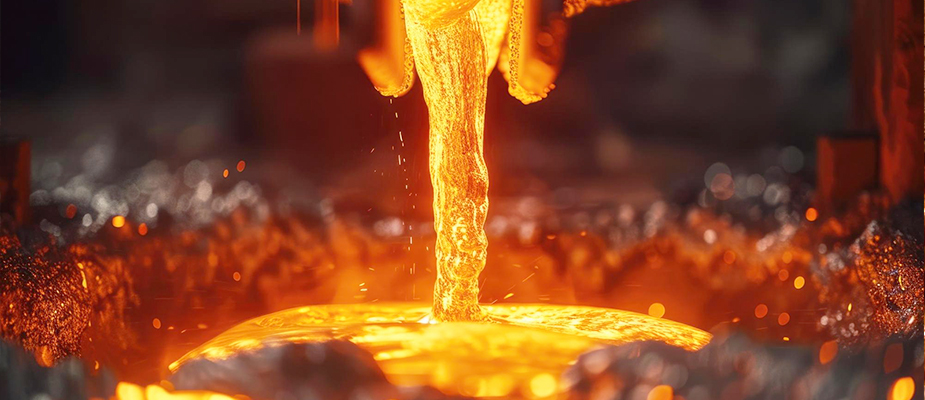
As the need to live sustainably becomes crucial in today’s world, businesses globally are rethinking their methods for sourcing, processing, and using raw materials. In particular, copper is one of the most valuable and versatile metals that supports many elements of modern infrastructure. Copper is clearly embedded in our economies through electrical wiring, renewable energy systems, telecommunications, and industrial machinery.
As demand for copper rises, issues such as resource depletion, concerns related to the environment, and increased costs of raw materials will arise as well. Therefore, an alternative solution to address these challenges is found in the process of recycling copper. Across the nation, the network of copper recycling plants in India is quickly expanding and will help support a circular economy by creating new avenues for economic development.
The industrial sector in India is rapidly developing a culture of recycling used copper materials by creating alternatives to mining for copper resources. This again supports the economic development agenda, the green initiative, and stably provides high-quality copper to support the transition to cleaner production methods. As industrialisation increases, the development of recycling facilities will play a major role in the overall development process.
This blog post will discuss how copper recycling has evolved in India; the benefits of recycling copper, the advances in technology to enable recycling; various opportunities available in the marketplace; and the significant contributions made by industry leaders such as copper manufacturers in Gujarat, oxygen-free copper manufacturers in India, and copper earthing wire manufacturers.
India has become one of the fastest-growing economies in terms of industrialization in the world today. With major infrastructure expansions taking place, increasing electrification efforts, growing investments in renewable energy technologies and advances in technology, demand for copper has soared significantly.
India has historically depended on imported copper as well as primary production for its copper supply. Increased awareness of environmental issues and the economic benefits of recycling have spurred the growth of copper recycling plants in India.
There are now modern-sized recycling facilities in India that can process various types of copper scrap, including:
These advanced recycling technologies enable recyclers to recover pure copper similar to newly mined copper.
Consequently, recycled copper has become an integral part of the overall manufacturing ecosystem in India.
Partner with reliable copper suppliers and recycling-driven manufacturers to ensure a steady supply of high-quality copper products while contributing to a greener future.
Recycling copper has a major positive effect on the environment.
Reduction of Mining Activities
Mining requires:
By recycling copper, we can reduce our need to extract new copper and conserve our natural resources.
Reduced Carbon Emissions
Copper that is produced using recycled materials takes a lot less energy than the process of producing copper using raw materials.
So, this would mean:
Waste Reduction
There are millions of tons of copper-containing waste materials created every year.
If we recycle copper instead of disposing of it, we can keep valuable materials out of landfills and convert waste into usable industrial materials.
Supporting Circular Economy Goals
The economy of the future will be based on the principles of:
Copper recycling meets or exceeds all of these criteria and will be a key component of achieving sustainable industrial development.
The vast majority of available copper products have some form of speciality. The use of oxygen-free copper has become widespread among many copper users.
Oxygen-free copper has the lowest oxygen content of any refined form of copper. Because of its electrical and thermal conductivity, this type of copper is continually in demand for applications with demanding needs.
Businesses that utilise oxygen-free copper in their production processes include:
Oxygen-free copper manufacturers in India continue to grow as new technologies and quality-enhancing technologies develop.
Benefits of Oxygen-Free Copper
An increase in the electrical conductivity of oxygen-free copper, due to reduced oxygen content, makes it a good choice for all types of electrical systems.
Oxygen-free copper transfers heat efficiently, a requirement for high-performance equipment.
With the reduction of impurities, oxygen-free copper manufacturers in India are able to provide superior longevity of use and greater reliability.
Manufacturers can easily fabricate and assemble using oxygen-free copper.
With ever-increasing performance requirements, the oxygen-free copper manufacturers in India are becoming ever more important as industries begin to embrace precision engineering and consistency of performance.
Choose manufacturers that combine advanced production technology with sustainable sourcing practices to ensure superior quality and long-term value.
The significant ambitions of India’s renewable energy sector have created many significant opportunities for the copper industry.
The use of copper is vast in solar and wind installations and includes components such as:
New levels of electric vehicle manufacture further increase copper requirements because of the reliance on electric systems and the associated battery energy storage infrastructure.
Recycled copper allows for sustainability to meet the fast growth of copper requirements without placing undue strain on natural copper resources.
Currently, many companies with a copper recycling plant in India, are supplying recycled copper for use in renewable energy projects as part of the country’s transition towards cleaner energy systems.
Electrical safety is an ongoing issue regardless of whether it is in a home, commercial operation, or industrial site.
Earthing Systems provide a means of protecting:
Equipment and personnel from:
Copper is a material of choice for earthing systems because:
It is highly conductive, has a resistance to corrosion and gives a long wire life. Additionally, it exhibits a high resistance to mechanical damage
With the continued acceleration of infrastructure development, the demand for copper products from copper earthing wire manufacturers continues to grow.
Uses of Copper Earthing Wires
Major copper earthing wire manufacturers are committed to achieving high-quality standards to ensure that ground systems perform safely and dependably on critical installations.
To create a truly sustainable future, we need to find ways to use all of the resources at our disposal and minimise the amount of waste generated.
An example of sustainable resource use is how copper is recycled back into worth while using the least amount of resources possible.
Some of the benefits of a copper economy are:
A key part to achieving these benefits on a national level will be collaboration between manufacturers and their suppliers, recycling facilities, government officials, and consumers.
Waste being converted into wealth is not just an idea anymore; it is actually happening now. This reality will shape how India’s industries will look in the future. The growth of the copper recycling plant in India has proven that sustainability and productivity can co-exist.
As businesses look for material that is reliable and affordable and is good for the environment, recycled copper is beginning to become a material of choice for many applications; recycled copper is used in everything from building up infrastructure and renewable energy projects to advanced electronics and manufacturing. At the same time, many of the leading copper producers in Gujarat are helping to solidify India’s standing as a leading hub for copper production, and several of the oxygen-free copper manufacturers in India have established facilities in India to create sufficient supply for the rapidly increasing demand of high-quality copper products used in technologically advanced environments like electric vehicles. The copper earthing wire manufacturers were helping to create a safer electric grid by providing safer electrical infrastructure.
The future will go to those Industries that embrace Innovative thinking, sustainability, and efficient resource utilization. Copper recycling is the perfect blend of all three. Therefore, as India continues to grow sustainably industrializing, copper recycling plants in India will continue to be an important driver of this process by converting wastes from the past into assets for the future and helping to create a greener, stronger, more resilient economy.