-

Survey No. 270A & Plot No. 1 of Survey No. 267, Chhatha Mile, Vill: Dantali – 387350 Ta: Vaso, Dist: Kheda, Gujarat (India)
-

Survey No. 270A & Plot No. 1 of Survey No. 267, Chhatha Mile, Vill: Dantali – 387350 Ta: Vaso, Dist: Kheda, Gujarat (India)
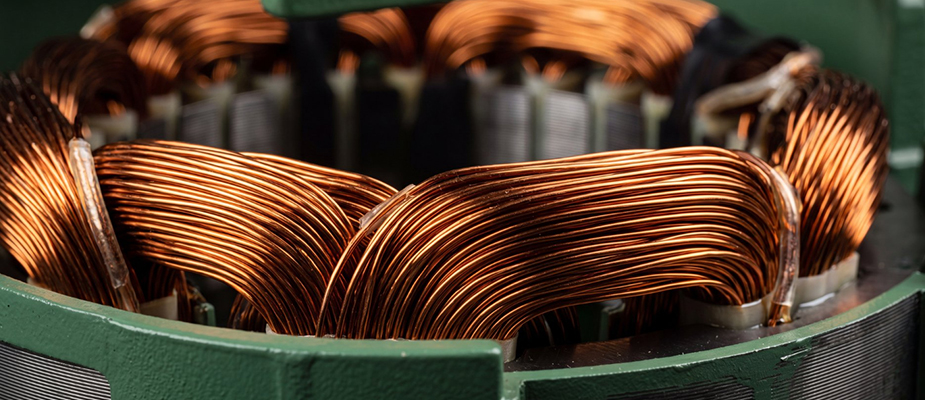
Provide an electrician with two copper bars. The first one is crafted out of freshly extracted ore. The second copper bar is created using scrap cable material.
Can they tell one from the other? Not always. Provided that both meet similar standards for purity, conductivity, and physical properties, recycled and virgin copper are equally suitable for use in electrical engineering.
Is recycled copper just as good as the virgin one? Absolutely. Copper can be recycled any number of times without losing its natural properties. Provided that the scrap is properly refined and tested to a certain standard, recycled copper may have the same properties as the virgin one.
Nonetheless, most customers tend to think differently, which limits their choice of materials.
Comparing suppliers? See the copper rods Sunlite makes from recycled scrap.
Where the Doubt Comes From
“Scrap” sounds like leftovers, and nobody wants leftovers in a power cable.
The real concern is mixed scrap. Copper often arrives alongside brass, bronze, and other alloys, which contain elements that should not be present in electrical-grade copper. ASTM International notes that producers and users of recycled copper need consistency, and that impurities and traceability are growing concerns.
So the question is not “recycled or mined?” It is “how well was the scrap sorted and refined?”
Recycled Copper vs Virgin Copper: What Determines Quality?
Copper is an element. Melt it down and refine it properly, and its source does not determine its electrical performance.
The International Copper Association states that copper can be recycled repeatedly without losing performance. It also explains that recycled and mined copper can be equal in quality and used interchangeably when they meet the same specifications. About 32% of the world’s annual copper use over the decade covered by its published data came from recycled sources.
What distinguishes the quality of rods used in a good product and a bad one is:
For an industrial purchaser, the real comparison is not about the recycled or virgin nature of the copper. It is about compliance with the required specifications of copper purity, electrical conductivity, dimensional tolerance, and mechanical characteristics. Test reports and relevant material standards are much more useful for supplier evaluation than the copper origin only.
How Sunlite Maintains Quality in Recycled Copper Manufacturing
Knowing the process matters is one thing. Finding a supplier who controls it is another. Sunlite, a recycled copper rod manufacturer in India based in Kheda, Gujarat, focuses on the manufacturing requirements that matter to industrial buyers.
Problem: Mixed Scrap and Impurities
Solution: Control starts before the furnace is lit. Sunlite sources scrap domestically and imports it from countries including Saudi Arabia, the UAE and the USA. Its manufacturing process includes scrap segregation, baling, melting at approximately 1,200°C, and refining to produce copper products such as rods, wires and busbars.
Problem: Inconsistent Batches
Solution: Sunlite carries out quality checks across its manufacturing stages, and the company is ISO 9001:2015 certified. Its integrated manufacturing operations cover the transformation of copper scrap into rods and further finished products, supporting quality control and traceability throughout production.
Problem: The Wrong Rod for the Job
Solution: Sunlite offers copper products suited to different industrial applications:
Problem: Supply and Service
Solution: Sunlite serves 250+ customers across 10+ Indian states and union territories. It also offers processing of customer-supplied materials, while its Ahmedabad branch office provides an additional point of contact for buyers.
Sunlite’s manufacturing operations use natural gas and electricity, supported by a 995 kW rooftop solar installation. Together, these measures reflect its approach to resource-efficient manufacturing while maintaining a focus on product quality.
Learn more about Sunlite’s approach on its sustainability page.
Read how Sunlite grew from one rod line to a listed manufacturer in Sunlite’s Journey.
The Bottom Line
When recycled copper meets the same specifications as copper that is new to the market, it is no compromise either.
The question that needs to be answered by a customer is whether a vendor has the ability to ensure that their manufacturing process is under control, and their products meet all the necessary criteria.
The combined abilities of Sunlite in terms of integrated production, quality control systems, and diversity of copper goods solve these issues.
When you are in need of FRHC rods for your cable line, OFC rods for your strips, or ATC wire for solar usage, you will need the appropriate grade and specifications.
Looking for a recycled copper rod manufacturer in India you can rely on? Talk to Sunlite’s team.